 50 min
Korean · Dairy-free
22 recipes · South Korea
22 Korean recipes you can cook at home, from Beef Bibimbap, Beef Bulgogi and Dakbokkeumtang (Korean Spicy Chicken Stew) to Hotteok (Korean Sweet Pancakes).
50 minKorean · Dairy-free
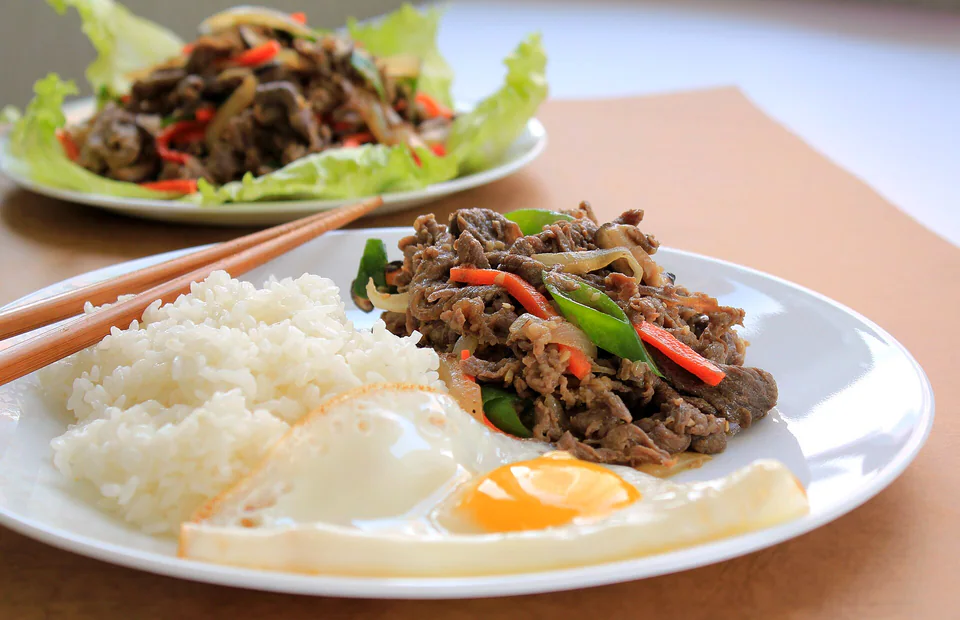 1 hr 2 min
Korean · Dairy-free
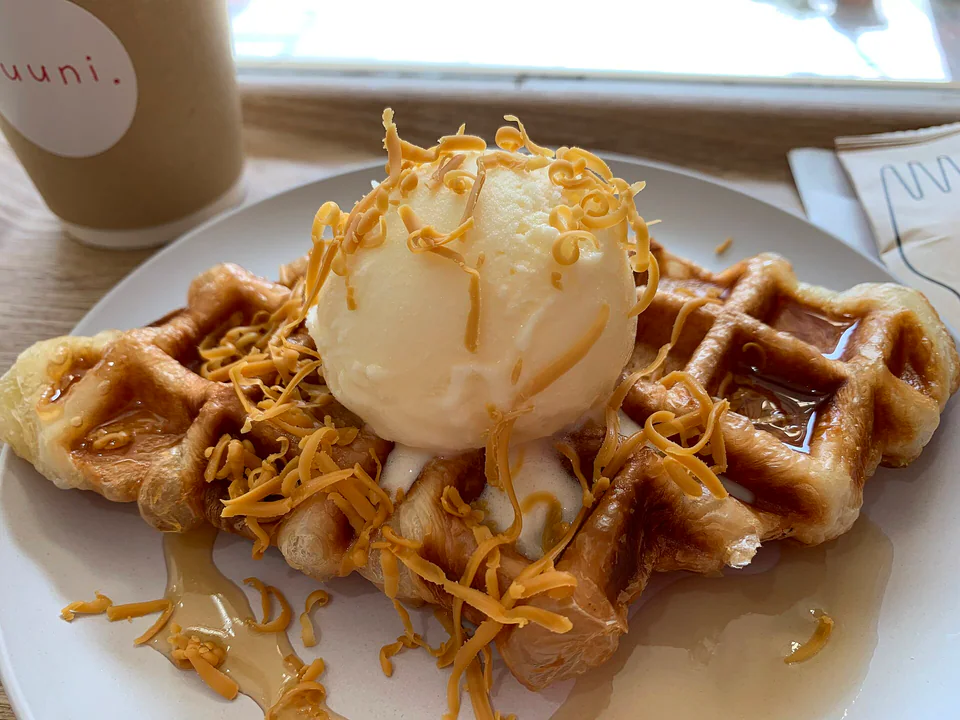 52 min
Korean · Vegetarian
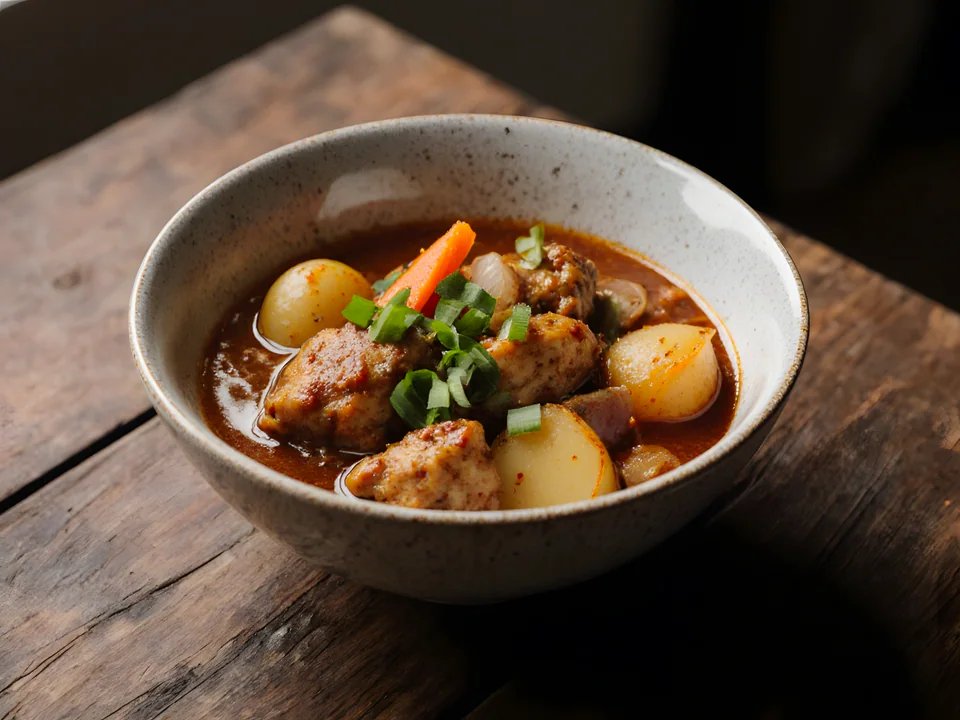 1 hr 5 min
Korean · Dairy-free
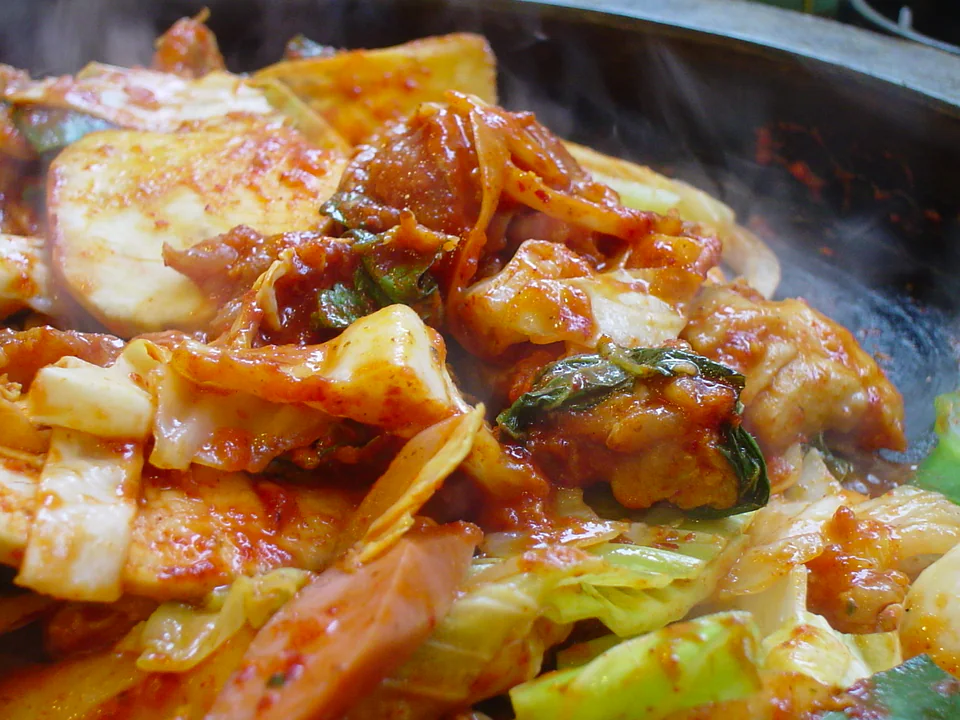 1 hr 5 min
Korean · Dairy-free
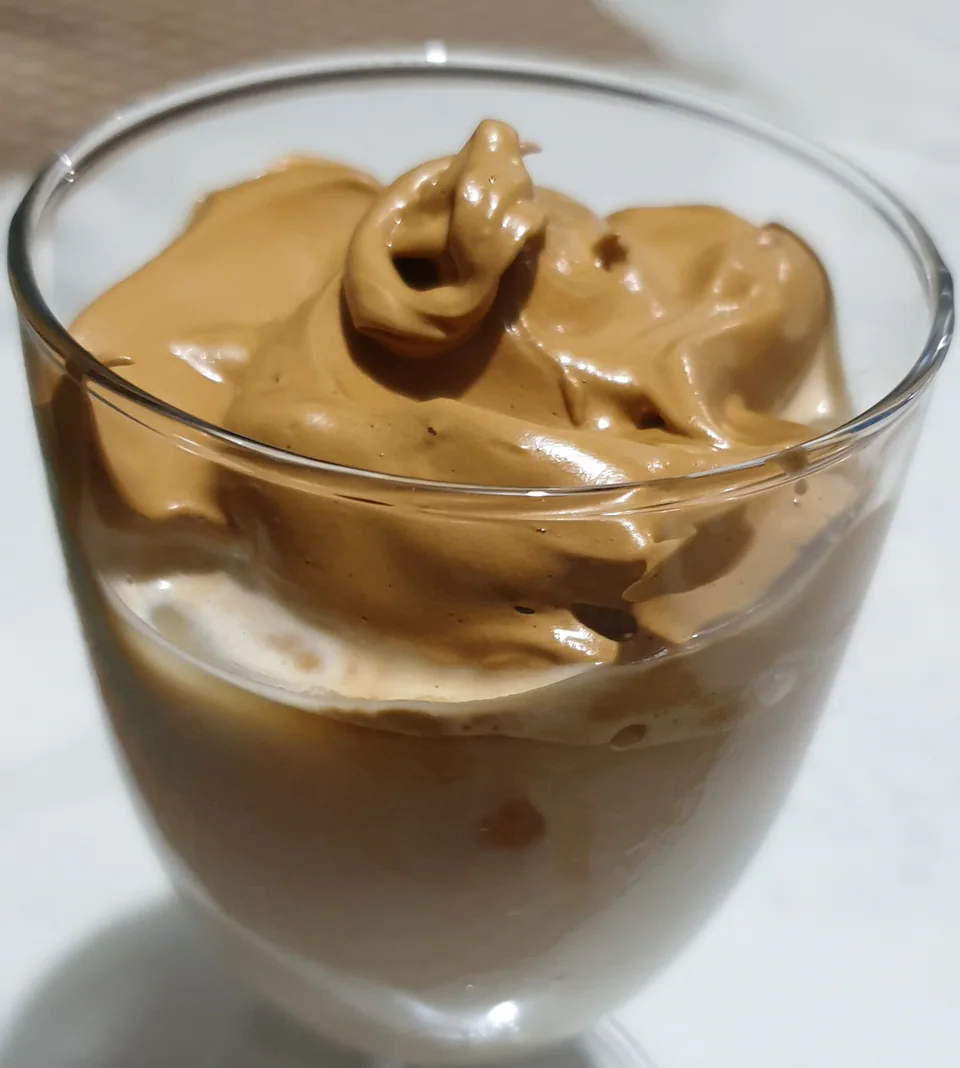 10 min
Korean · Vegetarian
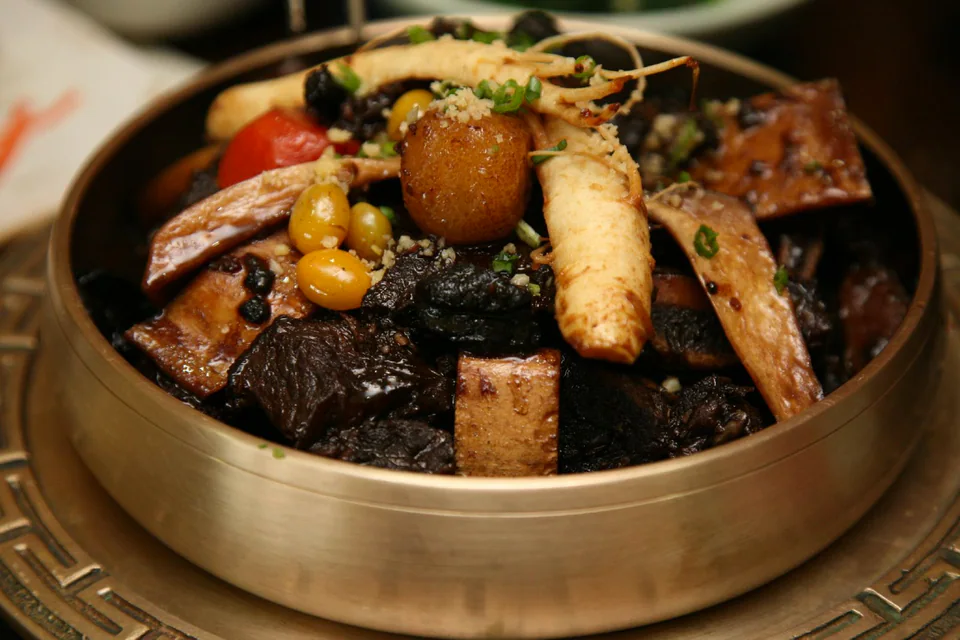 2 hr 55 min
Korean · Dairy-free
 22 min
Korean · Vegetarian
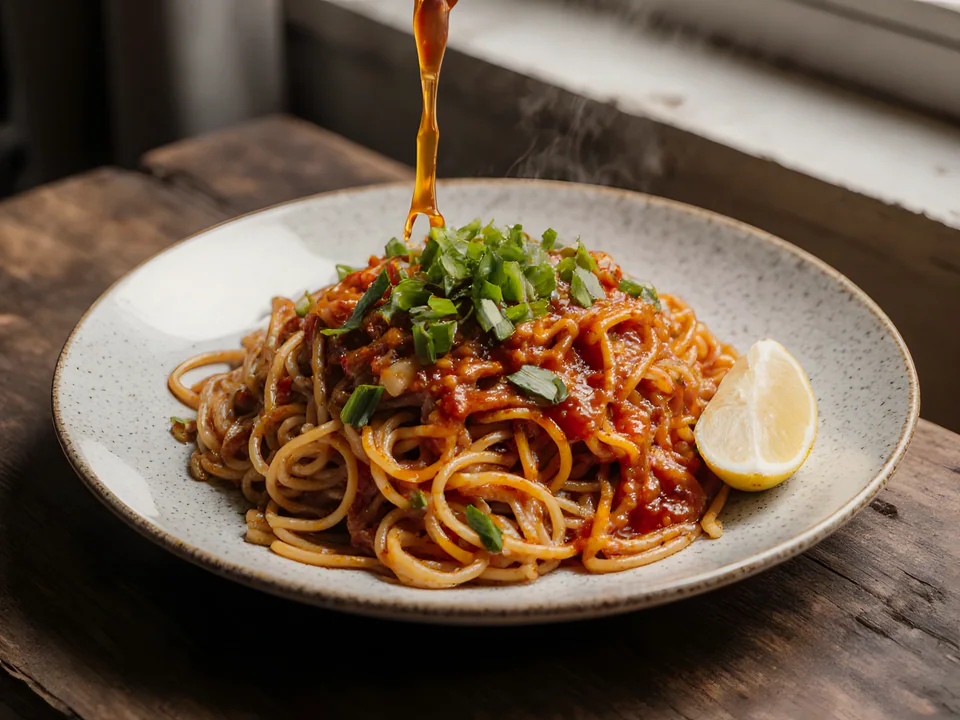 22 min
Korean · Vegetarian
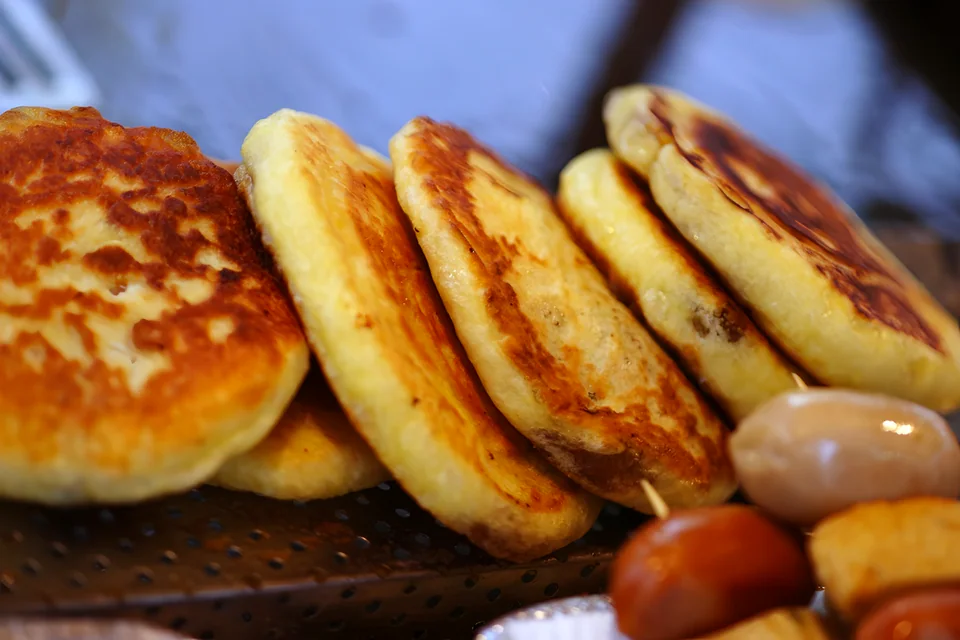 1 hr 54 min
Korean · Vegan
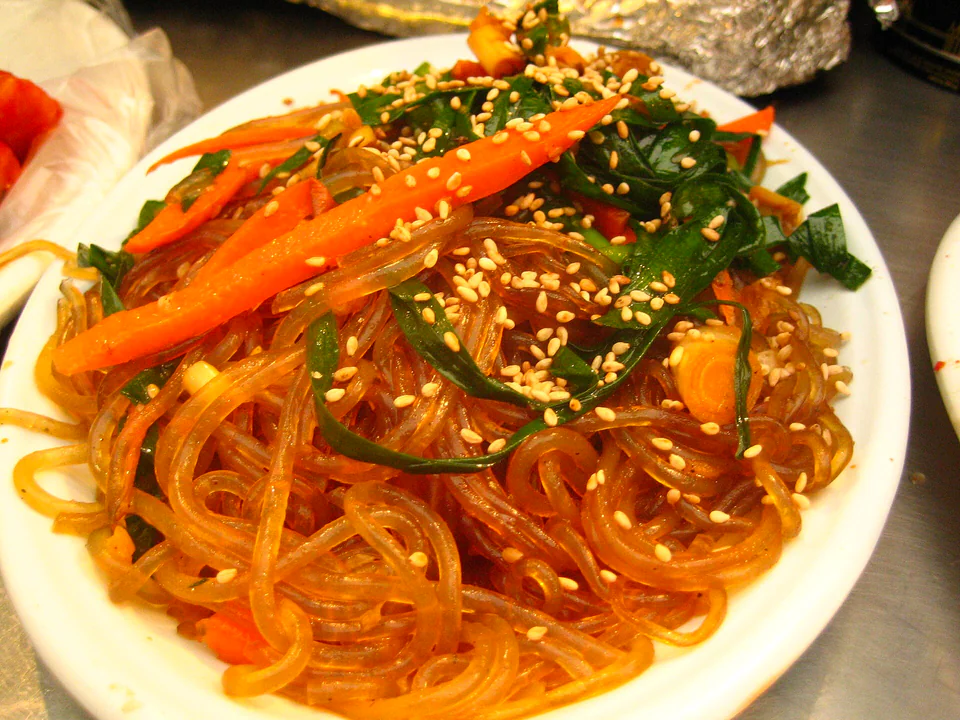 45 min
Korean · Vegan
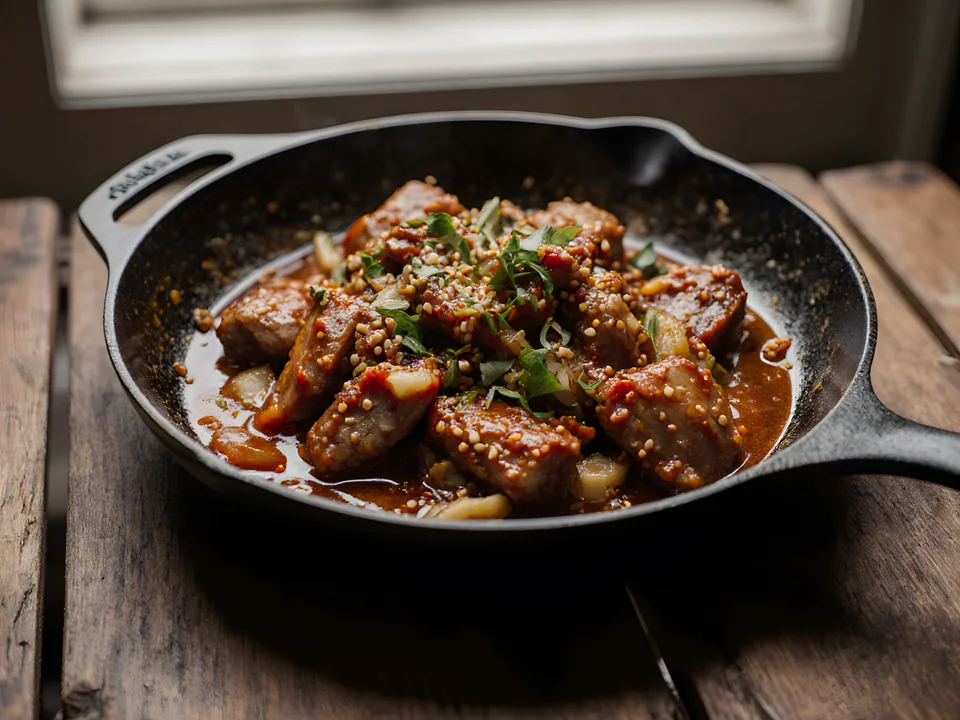 52 min
Korean · Dairy-free
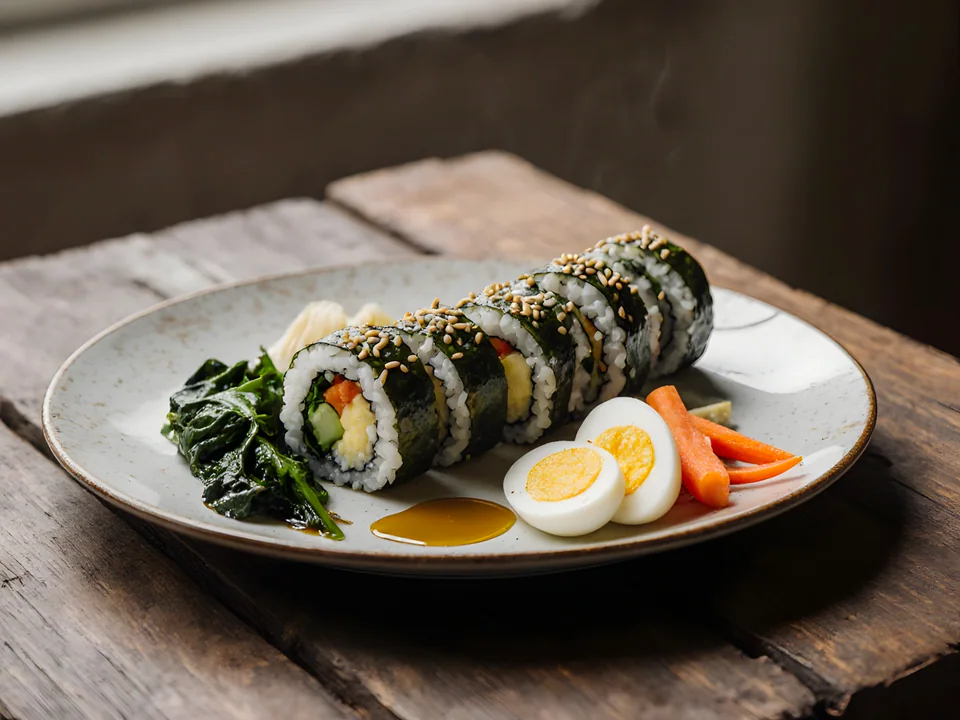 1 hr
Korean · Vegetarian
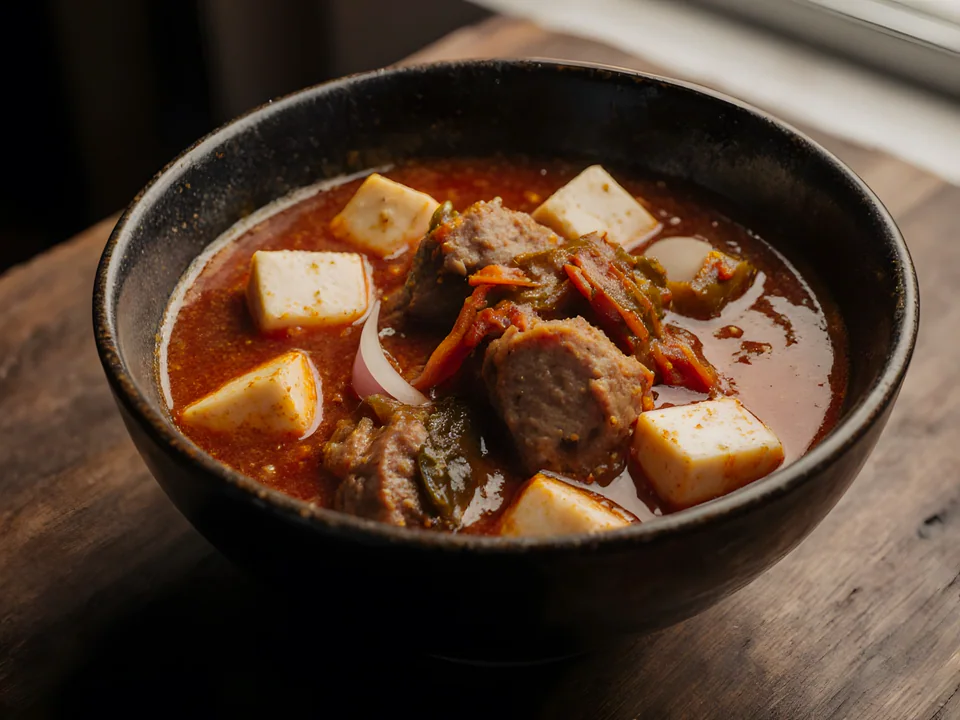 55 min
Korean · Dairy-free
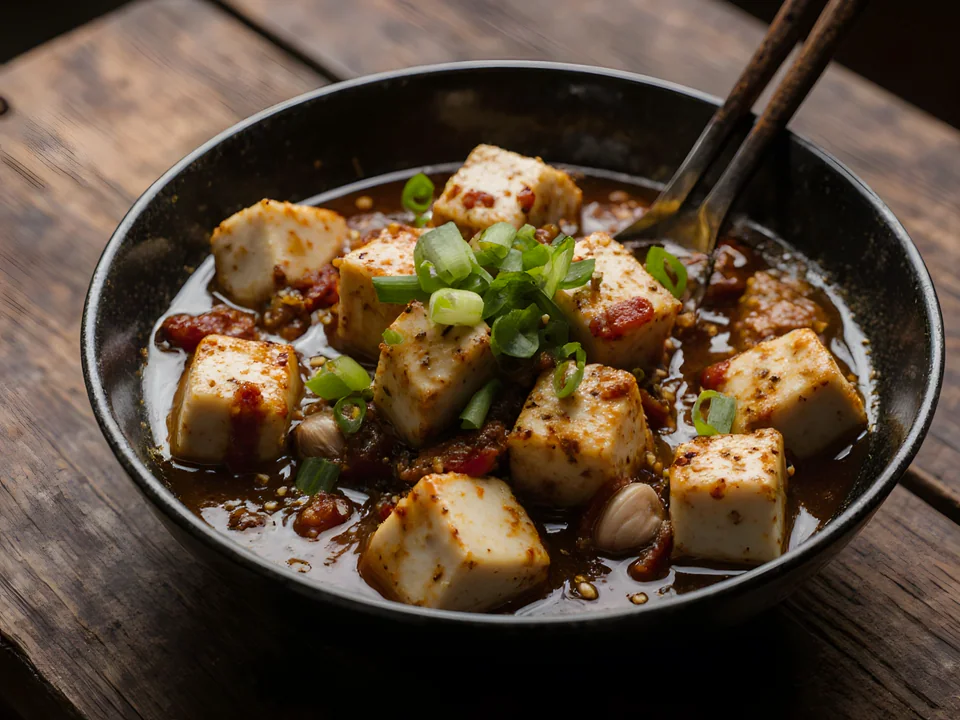 35 min
Korean · Vegan
 1 hr 40 min
Korean · Nut-free
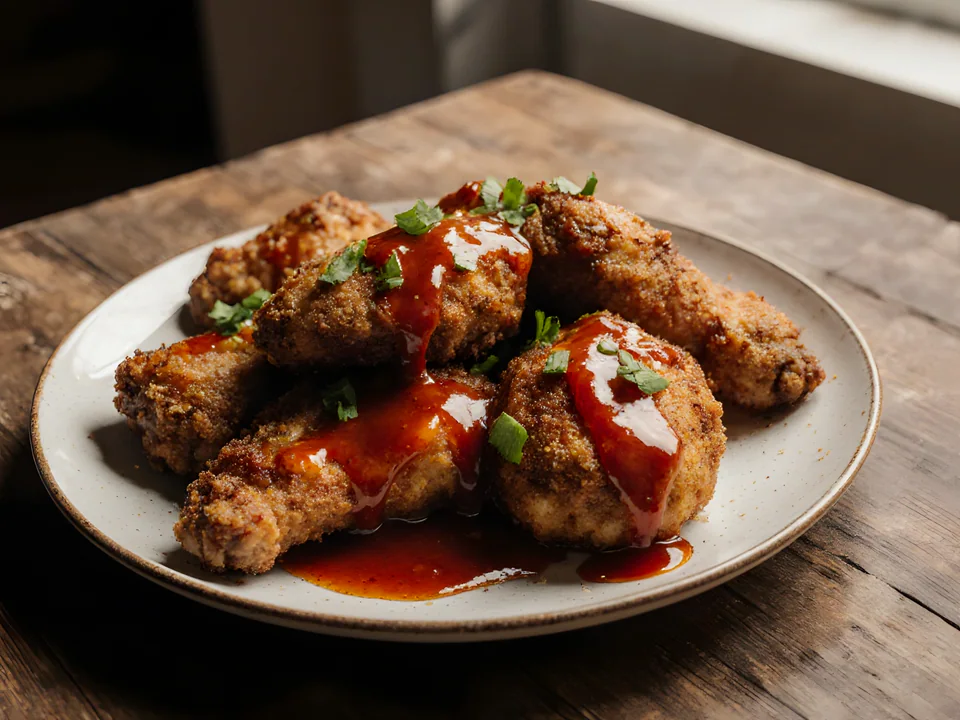 50 min
Korean · Dairy-free
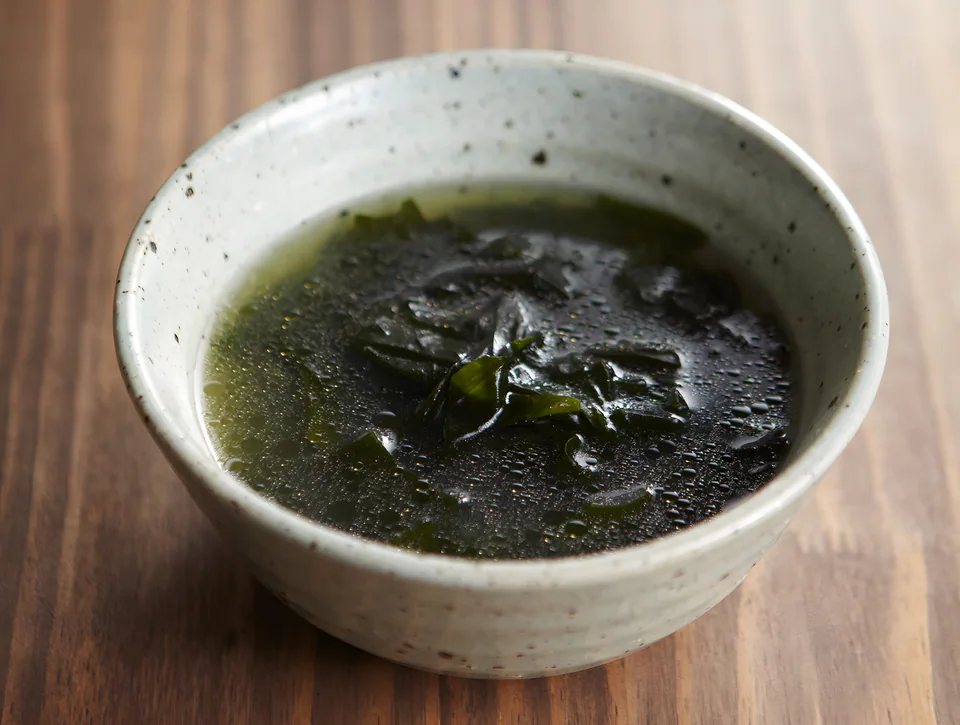 1 hr 5 min
Korean · Dairy-free
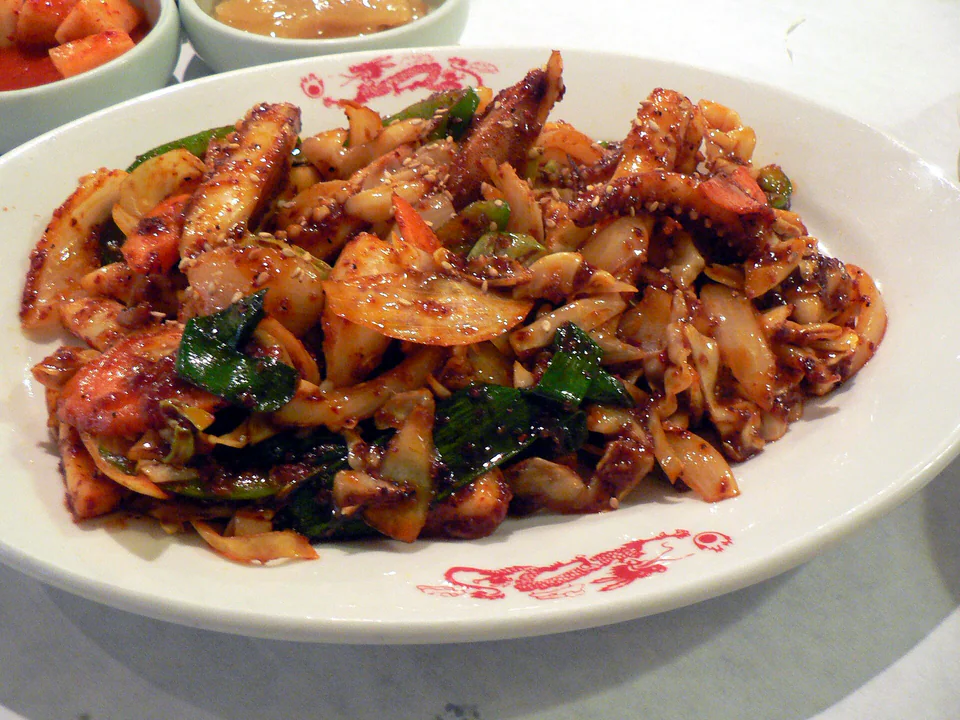 28 min
Korean · Pescatarian
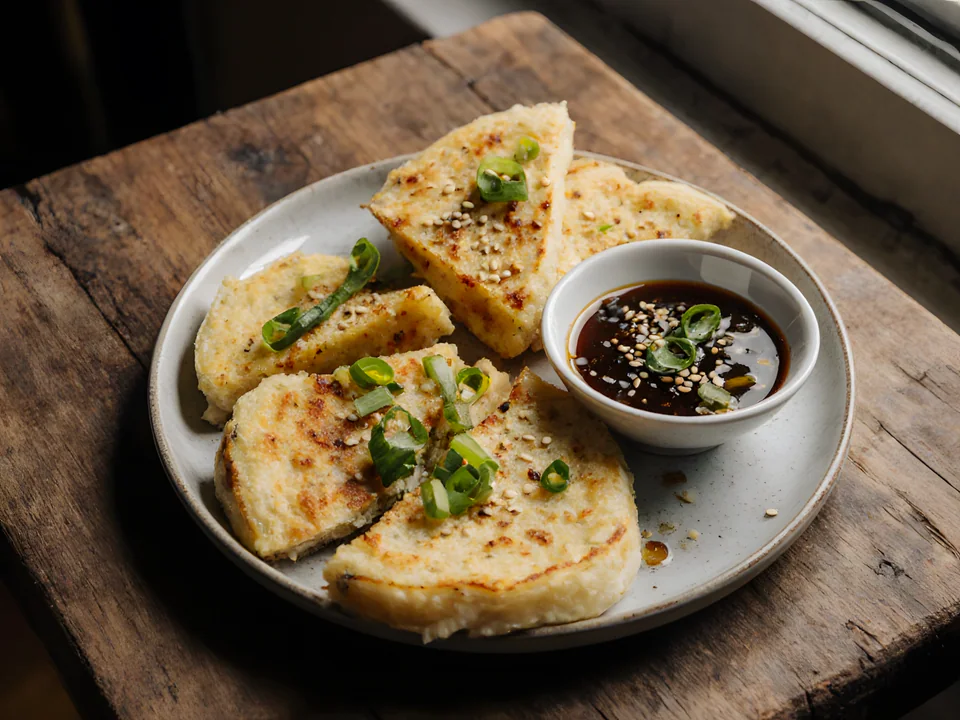 31 min
Korean · Vegetarian
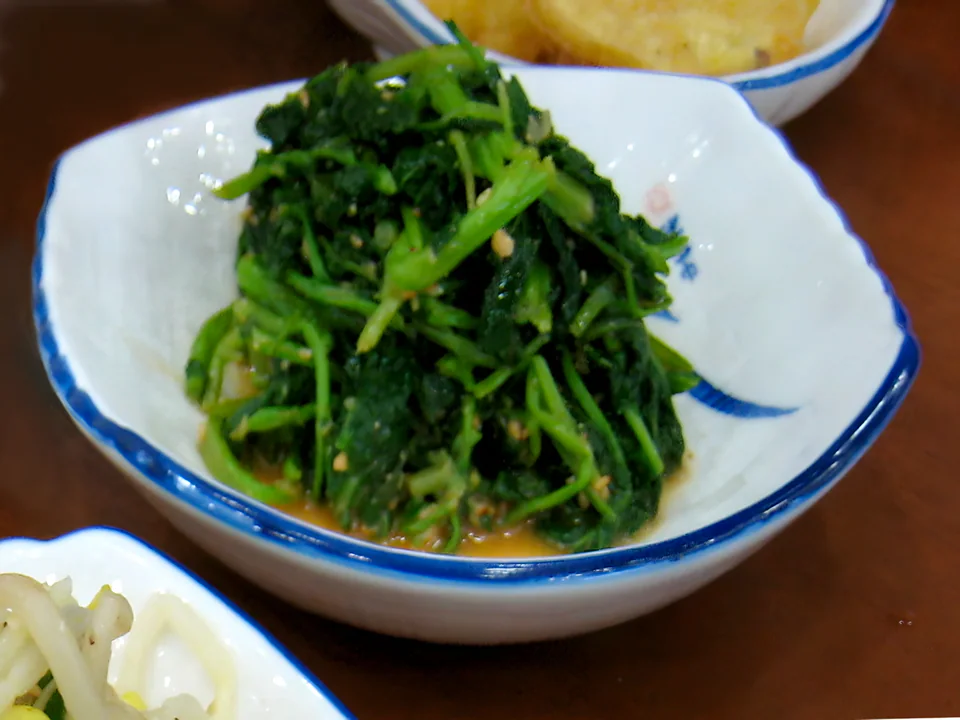 12 min
Korean · Vegan
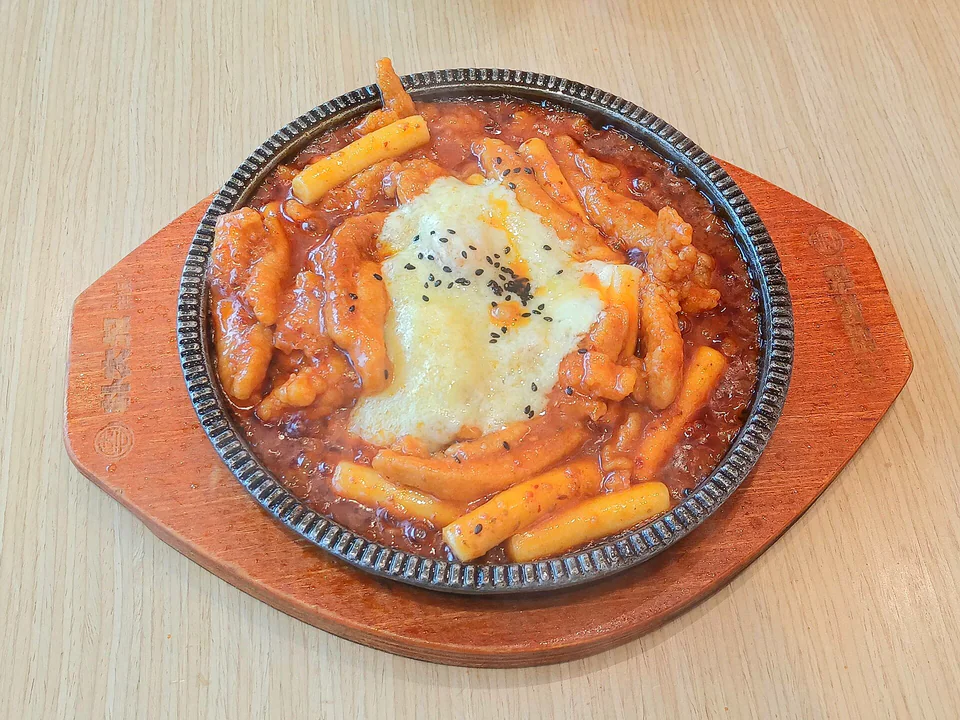 40 min
Korean · Vegan
About Korean food
Rice, soup and small shared sides give many meals in South Korea their shape. Fermented cabbage, soy sauce and chile pastes bring depth, while garlic, scallions and sesame oil give quick stir-fries and gently simmered soups a recognizable finish. The table can hold both fiery food and mild greens or broth.
Start with a few versatile seasonings and learn what each contributes: gochujang is thick and sweet-hot, gochugaru is fruity dried chile, and sesame oil is a finishing aroma as much as a cooking fat. Serve a bold main with plain rice and one or two vegetable sides, letting the contrasts do the work.
No. Clear soups, sesame-seasoned greens, rice porridge and many soy-based braises are mild. Chile heat is one part of the cooking, balanced by plain rice and gentler side dishes.
Gochujang is a fermented chile paste with sweetness, salt and body. Gochugaru is dried chile flakes or powder. They do different jobs and cannot always replace each other spoon for spoon.
Banchan are small side dishes served with a meal, often shared. They can include seasoned vegetables, kimchi, braised foods and other preparations that add contrast to rice and the main.
Not always. Many kinds contain fish sauce or salted seafood. Check the ingredient list or choose kimchi specifically labeled vegan when preparing a vegetarian meal.
Start with Beef Bibimbap, Beef Bulgogi, Croffles, Dakbokkeumtang (Korean Spicy Chicken Stew) and Dakgalbi. Every recipe here is written for a home kitchen, with substitutes for anything hard to find.
Dalgona Coffee, ready in 10 min.